



Shatta Wale Appeals to Mahama for Balanced Approach to Social Media Abuse
Ghanaian dancehall artiste Charles Nii Armah Mensah Jr., popularly known as Shatta Wale, has appealed to President John Dramani Mahama to support a balanced approach to tackling abuse and misconduct on social media…

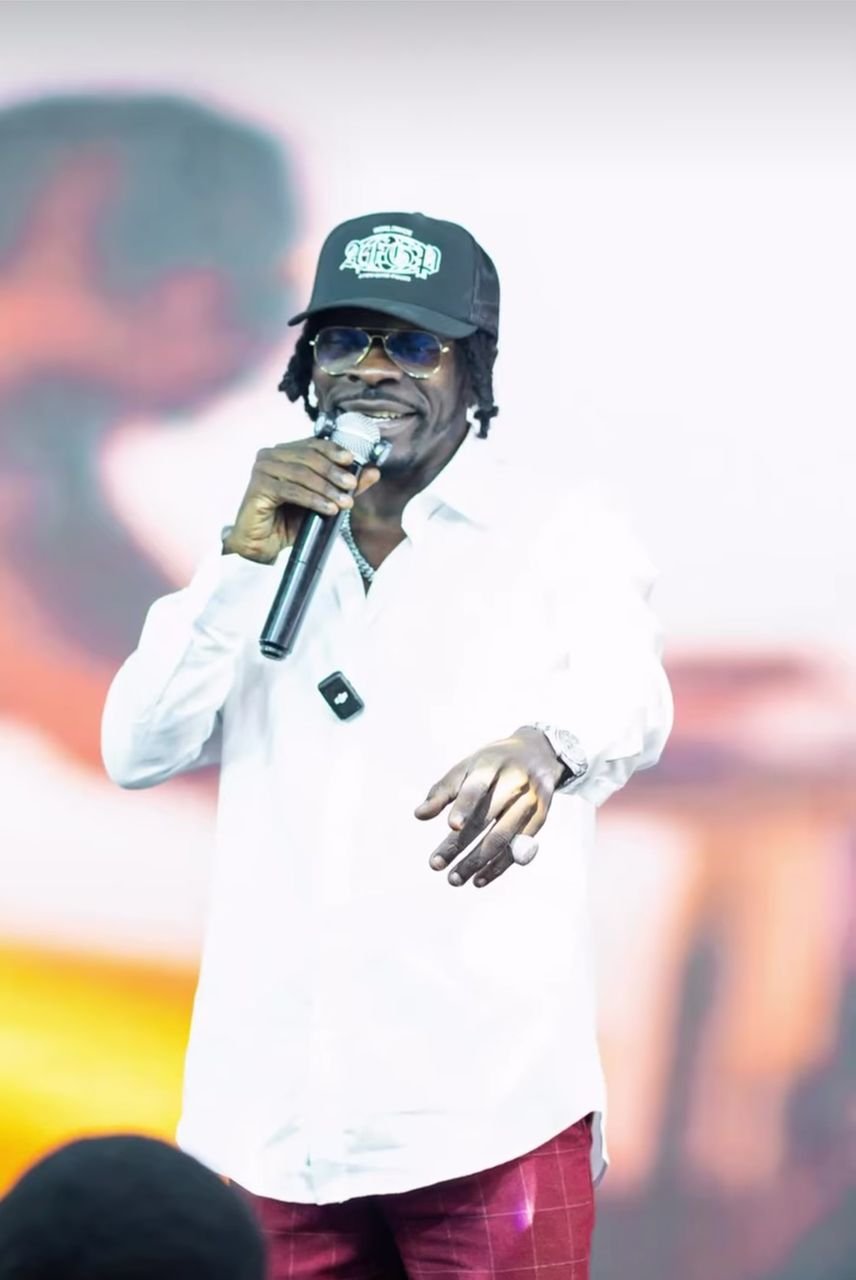
In an open letter dated Monday, September 28, the musician called for clear guidelines to address issues such as online harassment, defamation and the deliberate spread of false information.
His appeal comes after President Mahama called for a national stakeholder discussion on the regulation of TikTok and other emerging digital platforms.
Speaking during a town hall meeting with Ghanaians in New York on September 25, President Mahama said relevant stakeholders, including the Ghana Journalists Association (GJA) and the Media Foundation for West Africa (MFWA), should engage the public on how Ghana should approach challenges associated with social media.
The discussions are expected to consider issues such as misinformation, insults on digital platforms and the extent to which law enforcement agencies should become involved in online disputes.
Shatta Wale calls for protection of free speech
Shatta Wale said his experience in the entertainment industry has exposed him to what he described as unverified allegations and public attacks.
According to him, harmful commentary existed before the emergence of social media but has become more widespread and influential because of digital platforms.
While supporting measures to tackle online abuse, the artiste stressed that any regulatory framework must respect the constitutional right to freedom of speech and freedom of the media.
“Freedom of speech and of the media, guaranteed under the 1992 Constitution, must remain protected,” he said.
He added that these freedoms should not be interpreted as permission to threaten, harass individuals or deliberately circulate harmful falsehoods.
Seven proposals for consideration
Shatta Wale presented seven proposals that he believes could help Ghana address online misconduct without undermining democratic freedoms.
He called for Parliament, the Judiciary, security agencies, media organisations and civil society groups to work together on a clearly defined legal framework dealing with serious and proven online offences.
He also stressed the importance of due process and independent judicial oversight in the enforcement of any new regulations.
According to the musician, legitimate criticism, journalism, satire and political commentary must remain protected.
He argued that citizens should not face punishment simply for criticising the President, public officials or other public figures.
On online anonymity, Shatta Wale proposed stronger verification measures for platforms operating in Ghana. He suggested that these measures could build on the country's existing Ghana Card and SIM registration system.
However, he maintained that anonymity should not automatically be removed from users and that platforms should only be required to reveal information about users following lawful, court-authorised requests involving proven cases of harassment or defamation.
He further called for proportionate sanctions where Parliament determines that particular forms of online conduct should constitute criminal offences.
The musician also cautioned against introducing measures that could effectively bring back criminal libel, which Ghana abolished in 2001.
Calls for public education
Beyond legislation, Shatta Wale said public education should form an important part of efforts to promote responsible behaviour online.
He encouraged the government to educate citizens about responsible digital communication and involve members of the creative industry in discussions before introducing any major changes to social media regulations.
He said the objective should not be to restrict citizens from expressing their opinions but to encourage greater responsibility in public discourse.
“The goal is not to silence citizens, but to restore responsibility to our public conversation while preserving the freedoms on which our democracy stands,” he said.
President Mahama has also indicated that the government intends to rely on broad stakeholder consultations before making decisions on social media regulation.
The President has questioned the appropriate level of police involvement in cases involving online content and said recommendations from the proposed stakeholder engagement would help shape the government's approach.
Shatta Wale addressed his letter to President Mahama, with copies sent to the Speaker of Parliament, the Chief Justice, the Minister for the Interior, the Inspector-General of Police and the National Media Commission.
Comments 0
No comments yet. Start the conversation.